
REAL PROJECT · INDUSTRIAL TOOLING DESIGN AND MANUFACTURING
From a paper pulp part to precision tooling
Custom industrial tooling design and manufacturing
From the finished part to the completed tooling. At A1Pack, we developed an aluminium, bronze and steel mould system from scratch, using 3D modelling, CNC machining and functional testing to form paper pulp.
MANUFACTURING CASE STUDY · CUSTOM INDUSTRIAL TOOLING
Designing a mould means designing how the part is made
For a major Argentine paper company, we developed a tooling set for forming moulded pulp parts used as footwear moulds. Starting with the required final product and no existing drawings, we resolved the complete system: three aluminium, bronze and steel components, designed in 3D, CNC-machined and functionally tested.
01 / 04
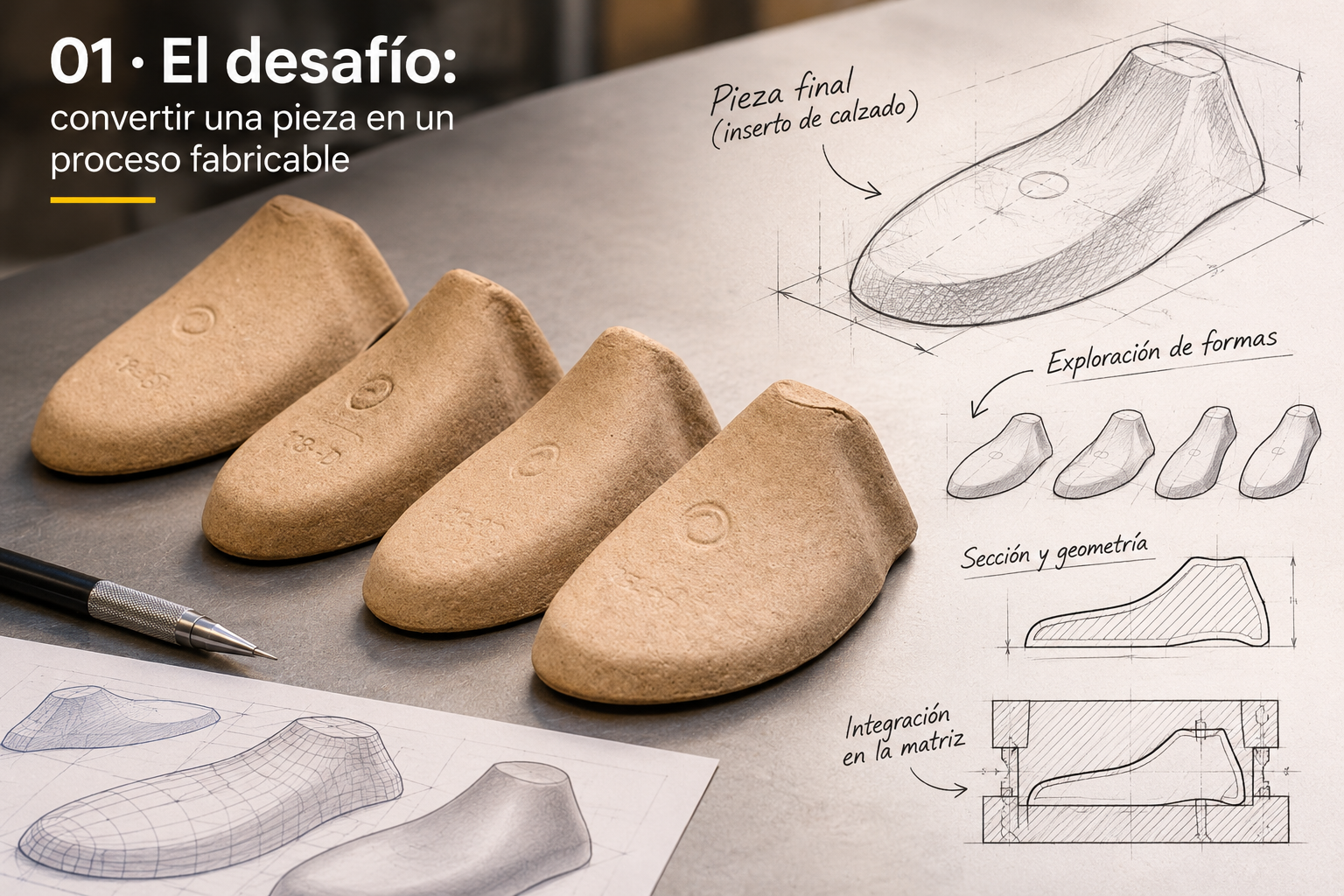
01 · The challenge: turning a part into a manufacturable process
The starting point was the required shape of paper pulp parts for the footwear sector. A major Argentine paper company needed tooling to produce them accurately and integrate with its forming equipment. There were no manufacturing drawings: we had to define the technical solution from scratch, considering how the assembly would function and the pressure conditions during the process.
- Initial requirement: develop special tooling to form paper pulp parts used as footwear moulds.
- Design condition: start from the desired finished part and adapt to the client’s forming equipment.
- Technical challenge: achieve the required geometry, precision and coordinated component operation under pressure.
02 / 04
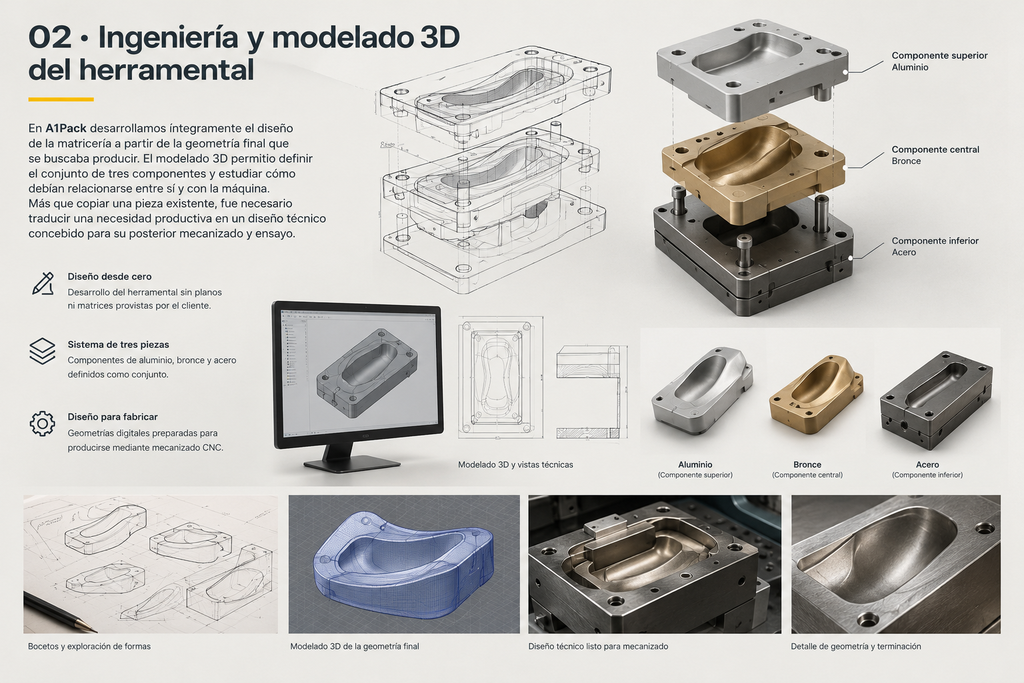
02 · Tooling engineering and 3D modelling
At A1Pack, we developed the entire tooling design from the final geometry to be produced. 3D modelling allowed us to define the three-component assembly and study how the parts should interact with one another and with the machine. Beyond copying an existing part, the task required translating a production need into a technical design conceived for subsequent machining and testing.
- Design from scratch: tooling development without drawings or moulds supplied by the client.
- Three-part system: aluminium, bronze and steel components defined as an assembly.
- Design for manufacturing: digital geometries prepared for production by CNC machining.
03 / 04
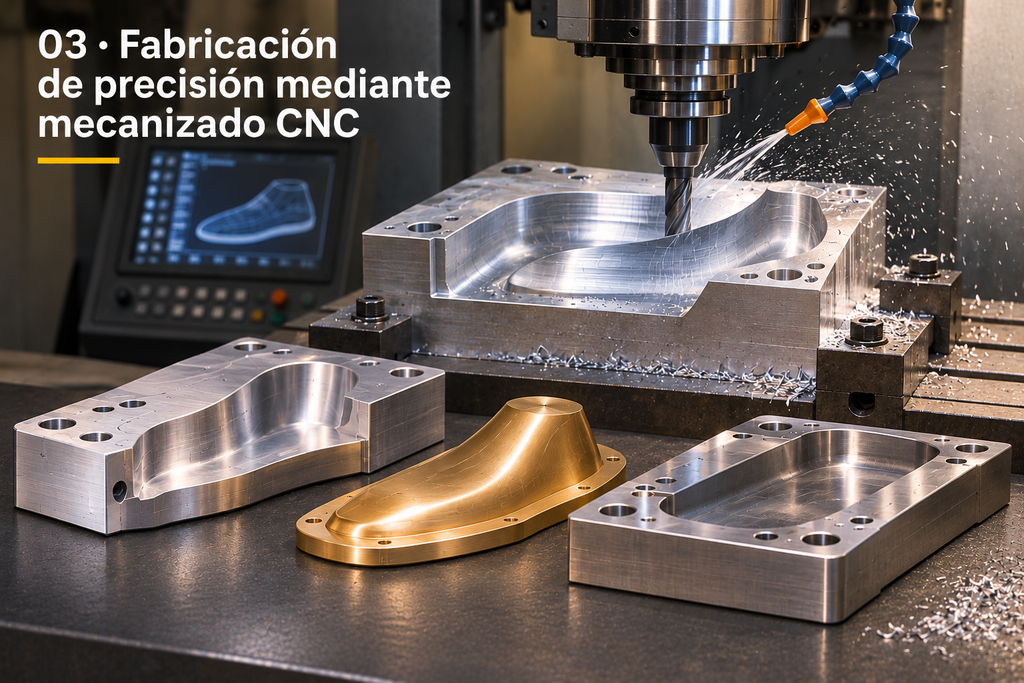
03 · Precision manufacturing through CNC machining
Once the 3D design was resolved, we proceeded with CNC manufacturing of each tooling component. The system combined aluminium, bronze and steel within one tooling assembly, making the execution of the geometries and the relationships between parts essential. We focused on realising the design with the precision needed to integrate the assembly into the paper pulp forming process.
- Materials: three components manufactured in aluminium, bronze and steel.
- Production process: CNC machining of the parts based on the digital development.
- Technical criterion: geometric precision and compatibility between the system’s parts.
04 / 04
04 · Pressure testing and functional validation
After manufacturing, the parts were tested to evaluate tooling behaviour in the forming process. Geometric precision, pressure conditions and the correspondence between the mould and the moulded pulp part were critical. The project resulted in a tooling set designed from scratch, CNC-manufactured and tested for the intended industrial application.
- Testing: evaluation of the tooling and its response to pressure conditions.
- Validation objective: verify operation and the production of parts to the intended geometry.
- Documented outcome: aluminium, bronze and steel tooling designed, manufactured and tested.

Do you need a mould, a technical component or special tooling?
At A1Pack, we develop custom solutions from part geometry through design, machining and functional validation. Tell us what you need to produce and what equipment you use.
More product development case studies
Explore other real projects that integrate industrial design, technical development and custom manufacturing.
Modular Baskets for Cargill
Español English DEVELOPMENT CASE STUDY A basket that became a logistics solution The requirement was to present a selection of representative products in a basket. At A1Pack, we examined what happened before delivery: transport by van, office storage, stacking and assembly by reception staff. This approach led to an interlocking modular system designed for the […]
Pizza Box Advertising Campaign
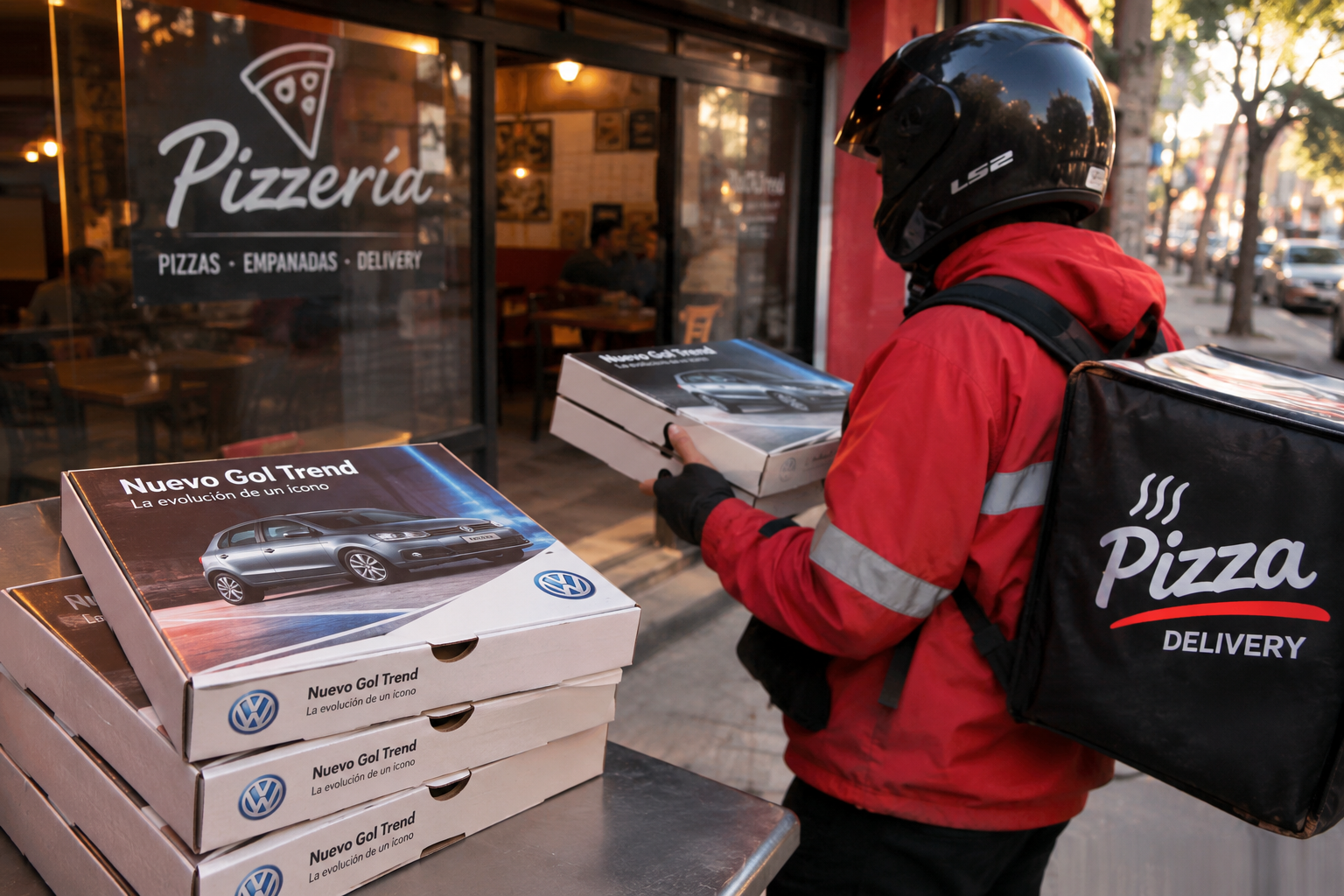
Español English DEVELOPMENT CASE STUDY · ADVERTISING PACKAGING When a pizza box becomes an advertising medium In 2011, around the Copa América, we worked on a campaign for car dealerships. We developed a pizza box advertising system as an alternative to flyers that could quickly be discarded: a medium delivered to homes, with a useful […]
Alfajor Packaging Inspired by La Plata
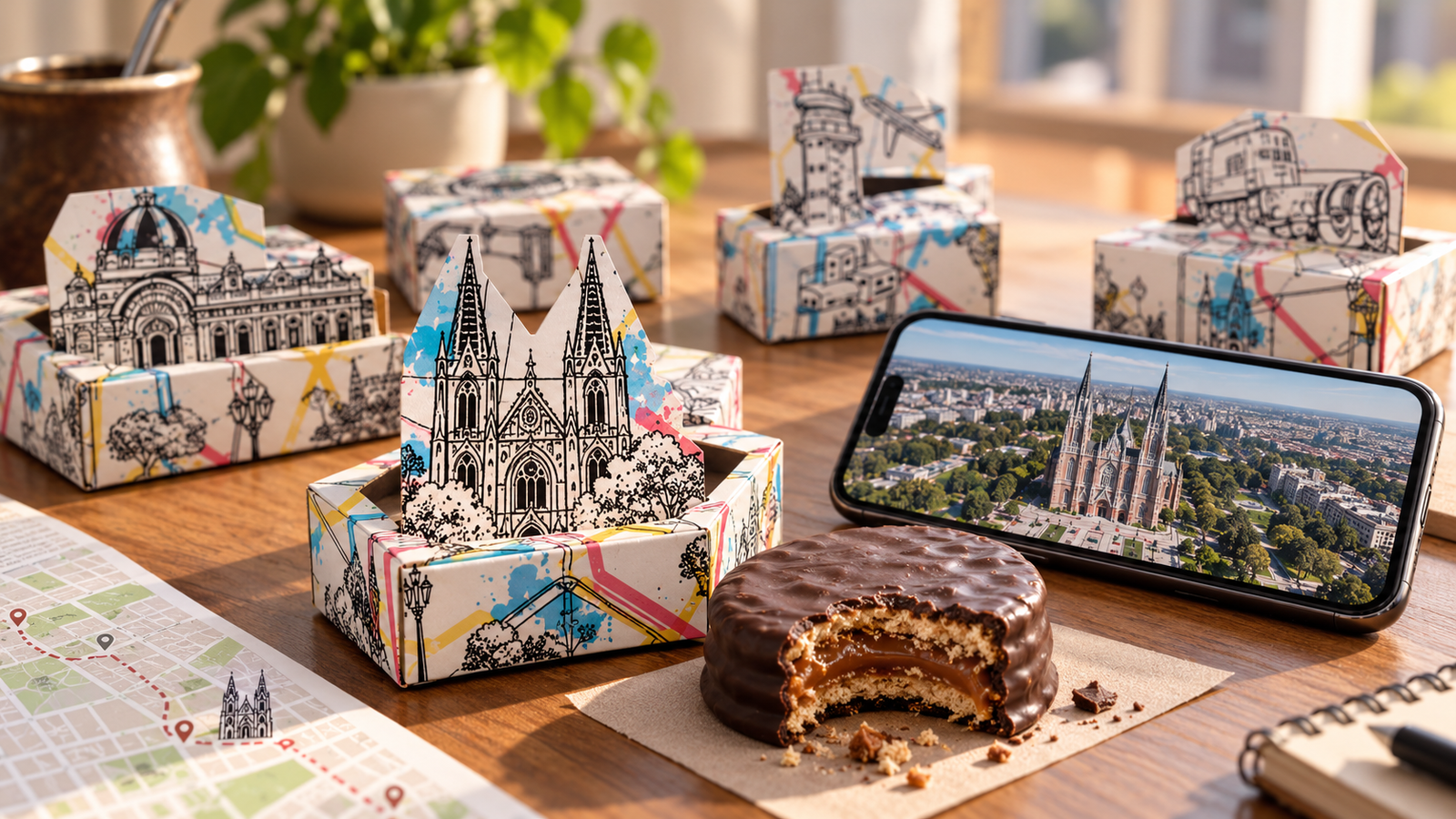
Español English DEVELOPMENT CASE STUDY · ALFAJOR PACKAGING An alfajor box that becomes a city experience The brief began with a box for giving twelve alfajores to visitors to La Plata. A1Pack proposed going beyond the container: twelve individual cartons linked to city locations, with pop-up figures created through cutting and folding, each connected by […]
Display Stands for the Fragata Libertad
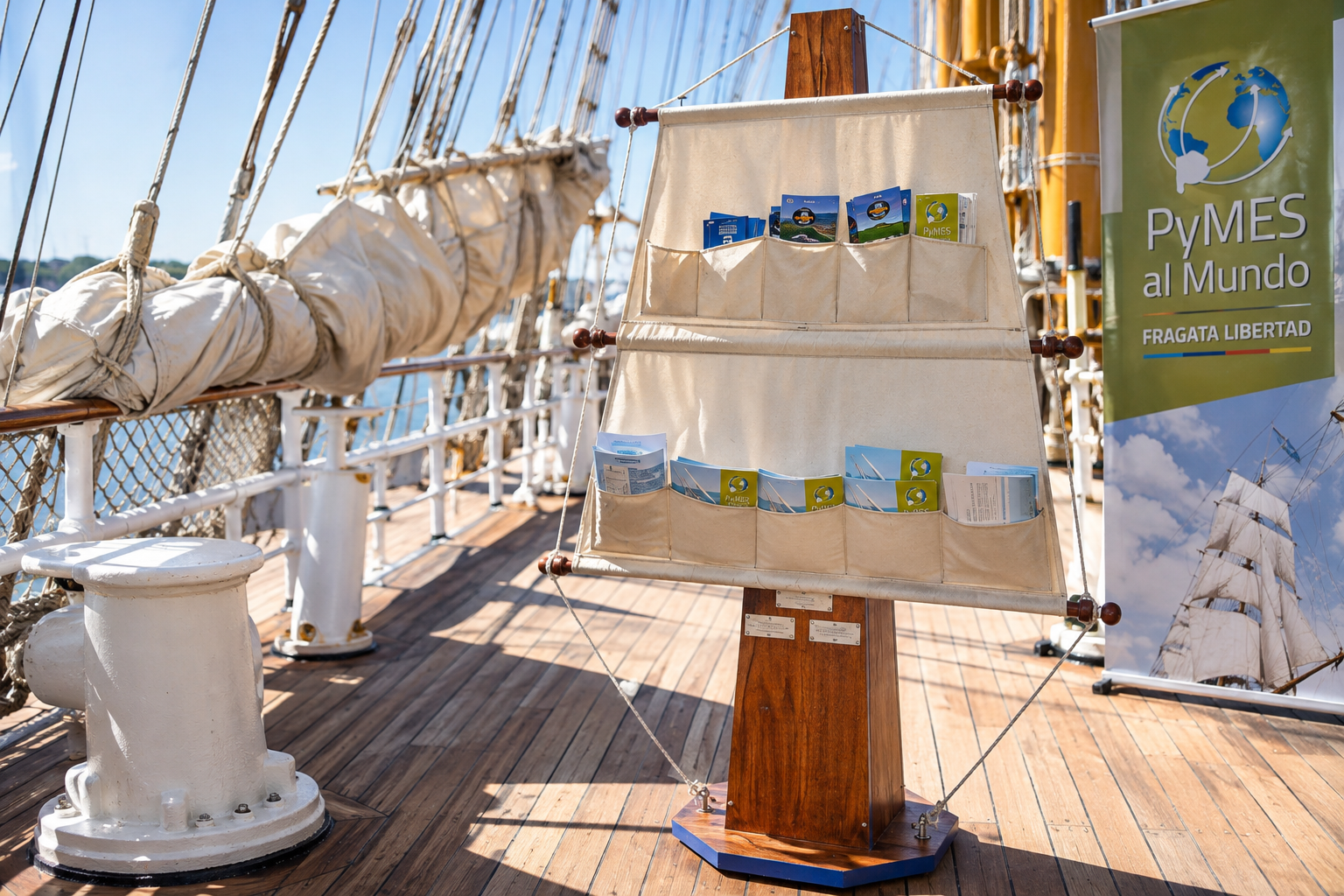
Español English DEVELOPMENT CASE STUDY · INSTITUTIONAL DISPLAY STANDS When a display stand becomes part of a ship’s identity In March 2017, A1Pack developed brochure display stands for the PyMEs al Mundo programme, presented aboard the Fragata ARA Libertad. We drew on the sail training ship’s sails, ropes and nautical tradition to create a demountable […]
Precision is designed before machining.
This project shows how industrial design can address a manufacturing problem. We started with the moulded pulp part to be produced, rather than a mould to copy, defined the tooling geometry, developed three metal components and took the system through CNC machining and testing. Design also means enabling a production process that does not yet have its tooling.