We turn ideas into physical products, from concept to production.
From idea to a validated product in four phases
Industrial product development from concept to production
Have a concept, a sketch or a technical problem? We develop your product from initial analysis to a functional prototype and prepare it for manufacturing. Our approach combines industrial design, materials, production processes and user experience.
We design solutions. We make them real.
A product needs to combine technical function, manufacturing feasibility and a clear user experience. We consider all three from the beginning.
Creative thinking and user experience
We explore different ways to solve the problem. We design for user experience and ergonomics, anticipating real situations to make the product clear and practical.
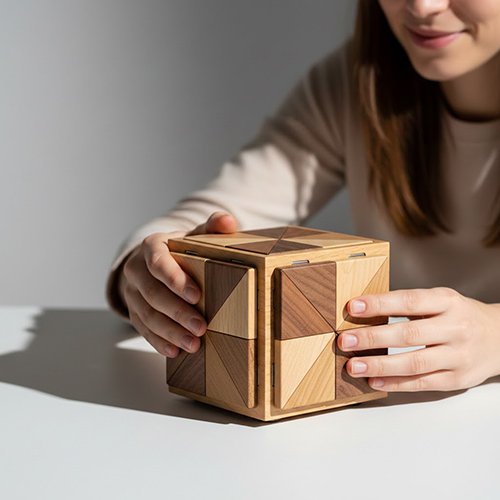
Design for the real world
We design useful, responsible products for specific needs. We choose materials and processes to suit each product’s use, context and budget, production scale and practical requirements.
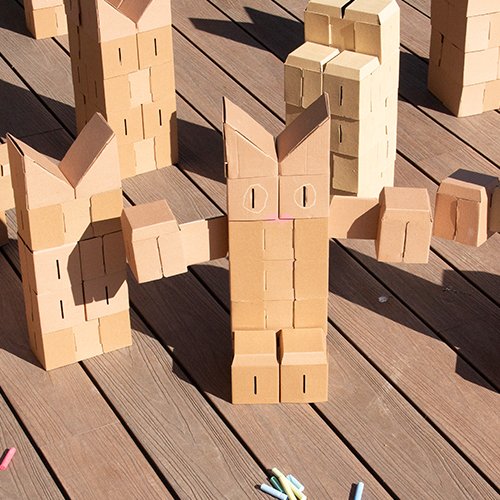
Intelligent simplicity
We reduce complexity when it improves the product: fewer parts and assembly steps without losing functions or essential requirements. The solution follows a full understanding of the problem.
Our process: four development phases
An iterative process to assess product functions and resolve technical questions before planning production at scale.
Phase 1
Strategic
research
First we understand the context: users, market, existing alternatives, technical constraints and opportunities. We define the requirements the product needs to meet.
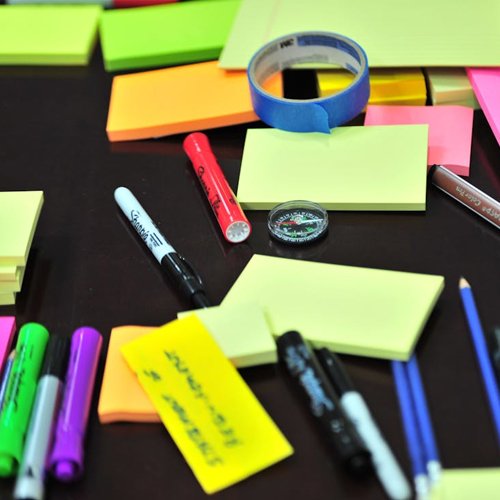
- User and usage context analysis: Observation, interviews and real conditions of use.
- Technical and market research: Existing solutions, materials and processes.
- Requirements definition: Function, technical performance, usability and manufacturing.
Phase 2
Concept
and design
We turn research into design alternatives that address the project’s requirements.
- Idea generation: Rapid sketches and exploration of different solutions.
- Concept development: Early 3D models, mockups and material selection.
- Evaluation of alternatives: Comparison of functions, costs and feasibility.
Phase 3
Functional
prototyping
We build prototypes to test function, usability and manufacturing possibilities. The results guide design refinements.
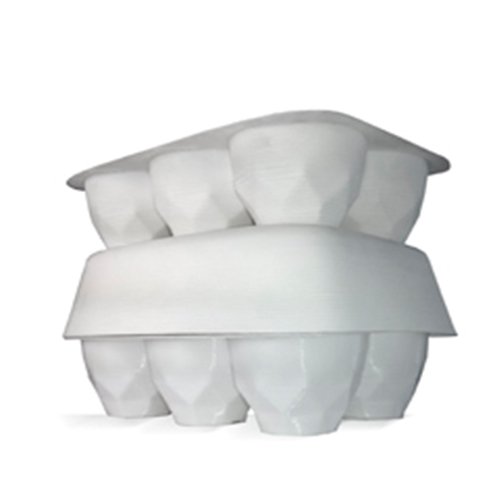
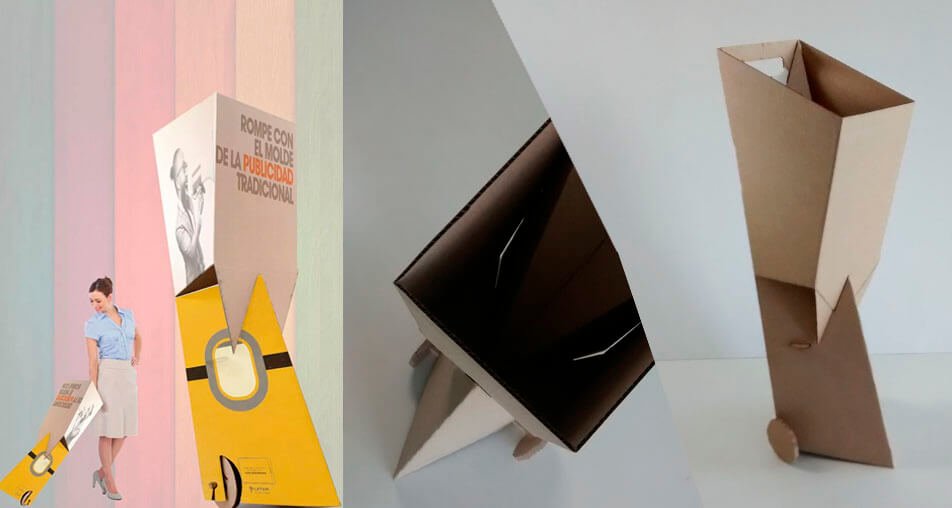
- Early mockups: Cardboard, foam or 3D printing to check size and form.
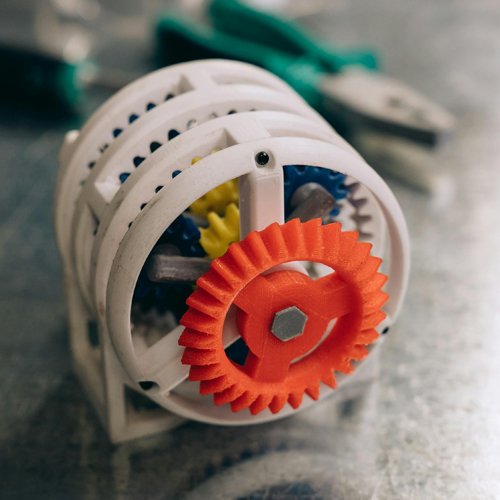
- Functional prototypes: Testing mechanisms, strength and ergonomics.
- Use testing: Observing use and reviewing requirements.
Phase 4
Validation
and documentation
We prepare the validated prototype and the technical documentation needed to plan production under the agreed scope.
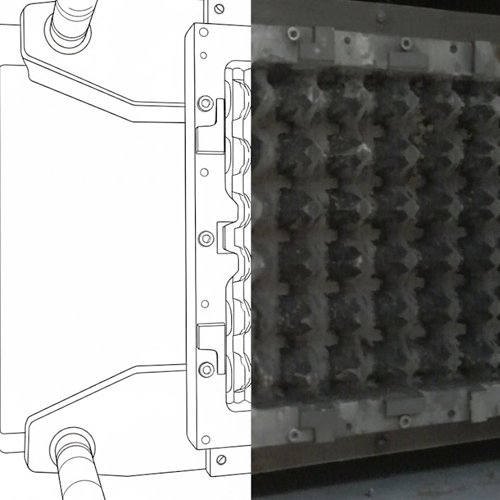
- Reviewed functional prototype: Verification of the project’s defined critical functions.
- Technical documentation: Relevant models, drawings, materials and processes.
- Production estimate: Preliminary assessment of costs, tooling and quantities.

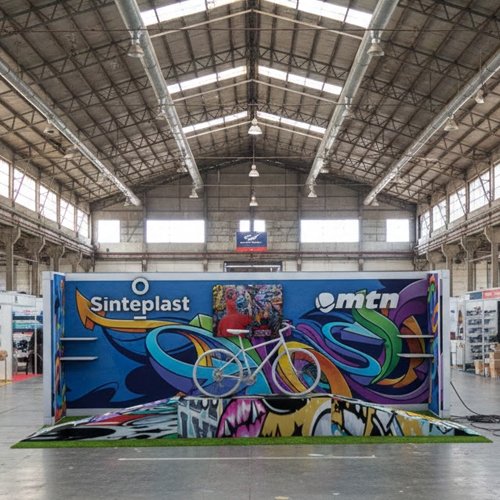
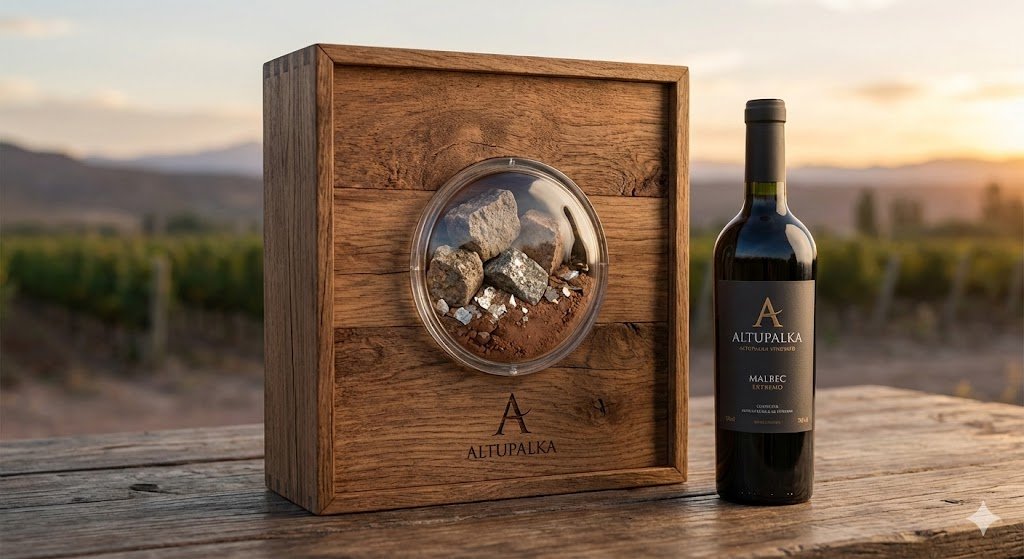
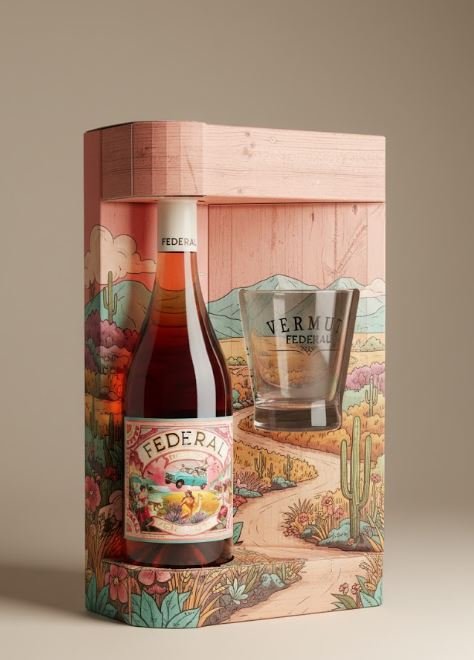
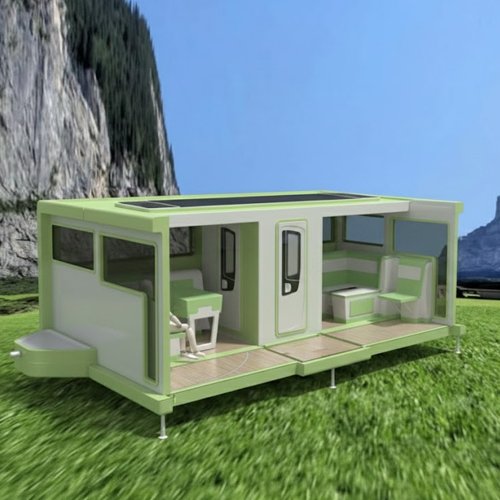
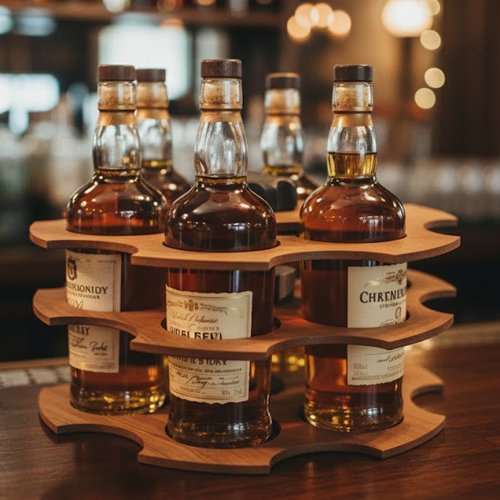
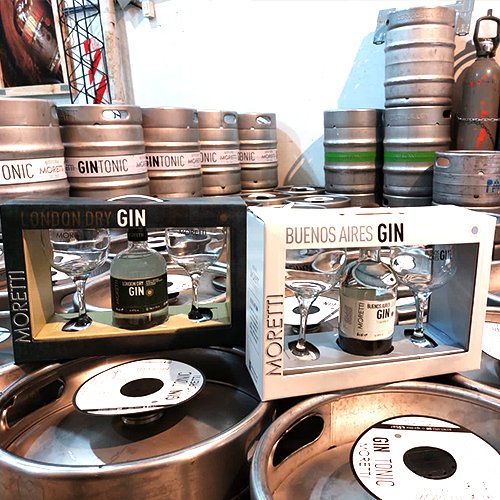
Development examples
Applied methodology
We apply industrial design principles throughout development:
- User-centered design: We observe how people interact with the object and where they encounter difficulty.
- Systems thinking: We consider materials, production, use, maintenance and end of life.
- Simplicity as an outcome: We remove what is unnecessary after understanding what matters.
- Read about design thinking
From your idea to a manufacturable product
We design, test and refine a functional solution that is feasible to manufacture.
What stage is your project at?
Tell us about your idea, the problem you need to solve or the product you want to make. We will help you define the next step.
What sets us apart: applied technical expertise
We design with an understanding of materials and processes, so each product can move toward manufacturing with a clear technical basis.