CASE STUDY · SPECIAL SOLUTIONS · PRODUCT DESIGN
Biodegradable pet urn: a design that returns to the earth
Biodegradable pet urn: structural paperboard design
How can a farewell become an act of new life? At A1Pack, we developed a plantable urn with two compartments: one for a pet’s ashes and another for soil and seeds. The design brings together function, structure and meaning.
PRODUCT DEVELOPMENT CASE STUDY · SPECIAL SOLUTIONS
An object for a farewell and a new beginning through planting
At A1Pack, we approached the biodegradable pet urn through a design question: how can ashes, growing medium and seeds be combined in one product ready for planting? The solution was a faceted paperboard structure with two interlocking containers. The project required decisions about containment, closures, folding, user experience and preparation for manufacturing, giving physical form to a remembrance ritual.
01 / 04
01 · The challenge: containing ashes and making room for a plant
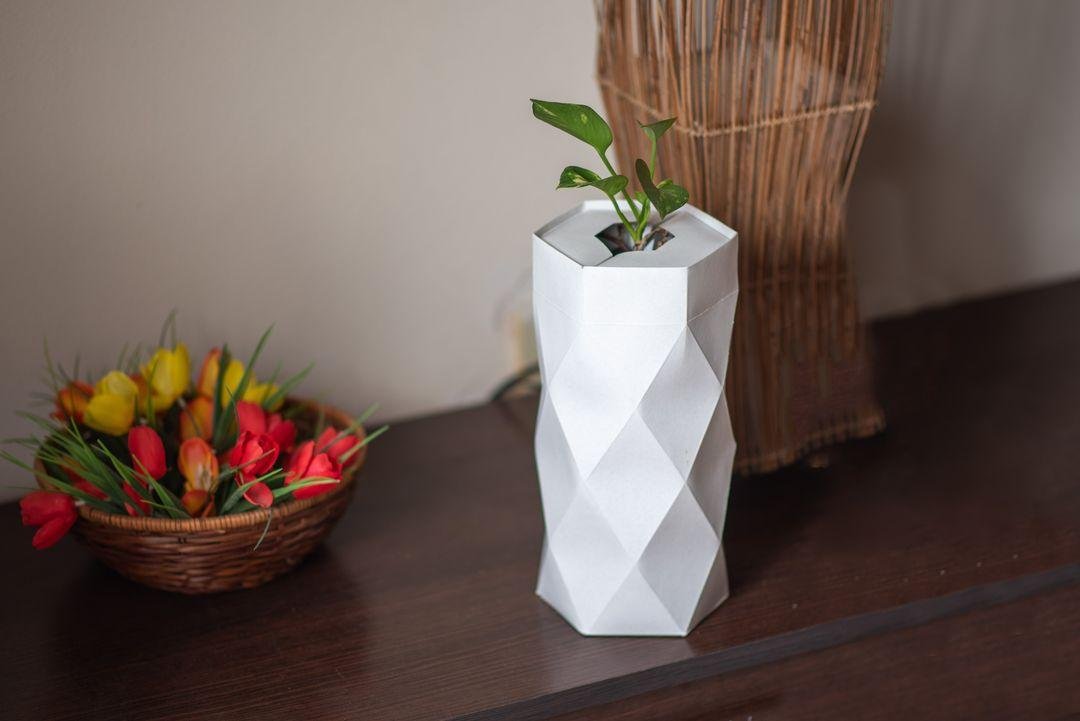
The urn needed to fulfil two distinct functions within one object. Its lower section would hold the ashes. An independent upper container would hold soil and seeds or a small plant. The complete assembly would then be placed in the ground. This sequence required a secure base, a firm connection between containers and an opening suited to plant growth. We also sought a calm, considered form that could be produced in paperboard.
- Need: combine a pet’s ashes and space for soil, seeds or a plant in one urn.
- Use requirements: keep the contents separate, allow assembly and facilitate planting of the complete unit.
- Design challenge: create a carefully shaped paperboard object with functional closures and viable production.
02 / 04
02 · The concept: two compartments forming one urn
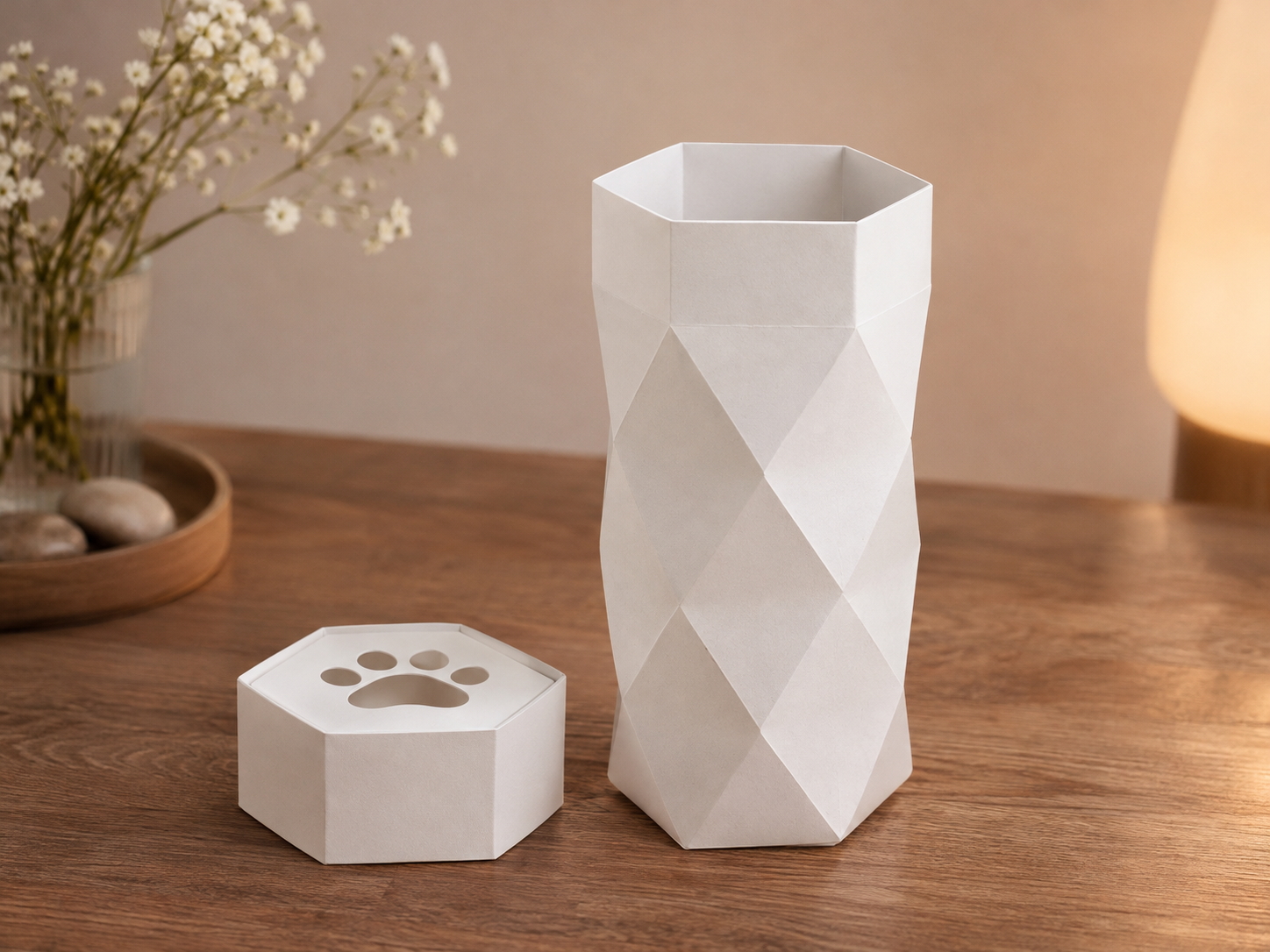
The solution consists of two interlocking bodies. The lower container holds the ashes; the upper one provides space for growing medium and seeds. Each material stays in its own compartment while both parts function as one unit. The complete urn is intended for burial, allowing the plant to grow from the top. We developed a prismatic silhouette with faceted surfaces formed through folding. Its geometry and function express the purpose of the project.
- Lower container: a compartment intended to hold the pet’s ashes.
- Upper container: an interlocking space for growing medium, seed germination or a seedling.
- Experience: the complete unit is planted in the ground as an act of remembrance and continuity.

03 / 04
03 · Paperboard engineering: folds, closures and prototypes
Developing the paperboard volume required translating a three-dimensional form into flat pieces suited to cutting, creasing and folding. We studied the surfaces, fold lines and connection between the containers. We also reviewed the bottom closure to improve ash containment and simplify assembly. Prototypes helped assess proportions, stability, access to the upper compartment and placement of seeds or a seedling. Each adjustment needed to preserve the product’s form while facilitating die-cut production.
- Geometry: a prismatic volume with faceted surfaces formed from folded paperboard.
- Prototyping: review of interlocking connections, base closure, top access and ease of assembly.
- Manufacturability: pieces prepared for cutting, creasing and die-cutting processes.
04 / 04
04 · From prototype to product: a solution for planting
The biodegradable pet urn developed through form studies, prototypes and adjustments informed by actual use. This process helped refine closures and compartments and accommodate both seeds and seedlings. Production alternatives and a possible transport and presentation box were also explored. The result is a two-piece system that combines containment, planting and form through folded paperboard. The case shows how industrial design can turn a sensitive need into a functional, manufacturable object while considering the people who will use it.
- Result: a plantable urn made of two containers with complementary functions.
- Development: structural improvements informed by testing and use requirements, including the option of placing a seedling.
- Project value: industrial design, sensitive use and production development combined in paperboard.

Need to develop a special product or a cardboard solution?
At A1Pack, we develop special solutions from ideas and prototypes through material, structure and manufacturing-process definition. Tell us what product you want to make.
More product development case studies
Explore more A1Pack projects that turn ideas and technical challenges into manufacturable products.
Colposcope Packaging and IntegraScope V2 Development
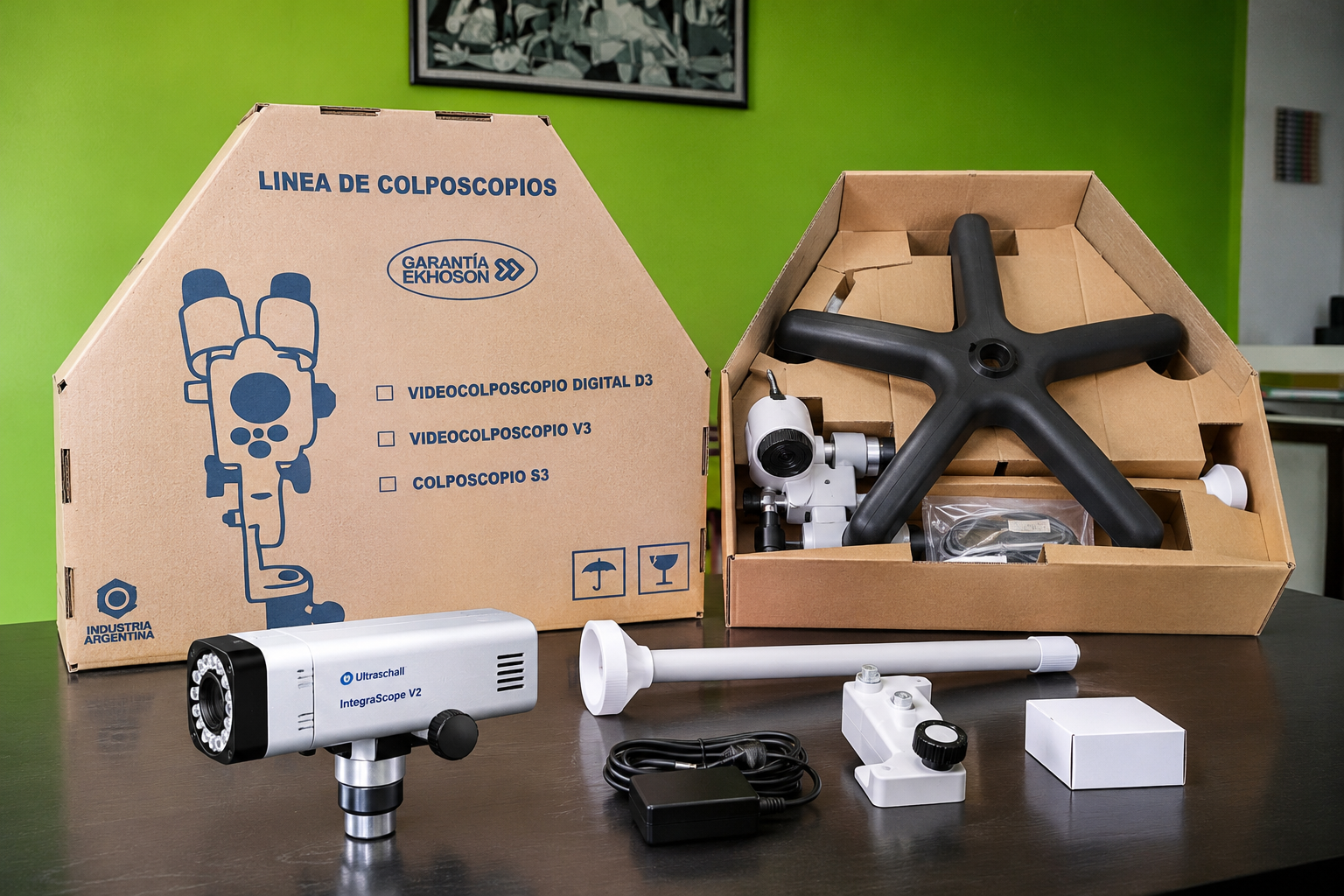
Leer en español PRODUCT DEVELOPMENT CASE STUDY · SPECIAL SOLUTIONS One technical packaging system for different medical devices A1Pack developed colposcope packaging to transport, organize and protect the complete equipment set. The design serves the Ekhoson D3 and S3 models supplied by Ultraschall and is also planned for the new IntegraScope V2. A single structural […]
KOBU: Cardboard Toy Design and Product Development
Leer en español PRODUCT DEVELOPMENT CASE STUDY · SPECIAL SOLUTIONS Turning an everyday material into a play system KOBU began as an A1Pack product development project. The challenge was to turn flat cardboard pieces into three-dimensional modules that could fold and connect to one another. The work combined industrial design, interlocking connections, prototyping and manufacturing. […]
Modular Baskets for Cargill
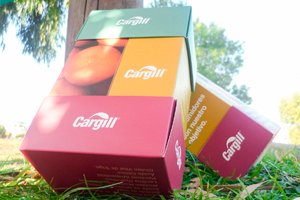
Español English DEVELOPMENT CASE STUDY A basket that became a logistics solution The requirement was to present a selection of representative products in a basket. At A1Pack, we examined what happened before delivery: transport by van, office storage, stacking and assembly by reception staff. This approach led to an interlocking modular system designed for the […]
Pizza Box Advertising Campaign
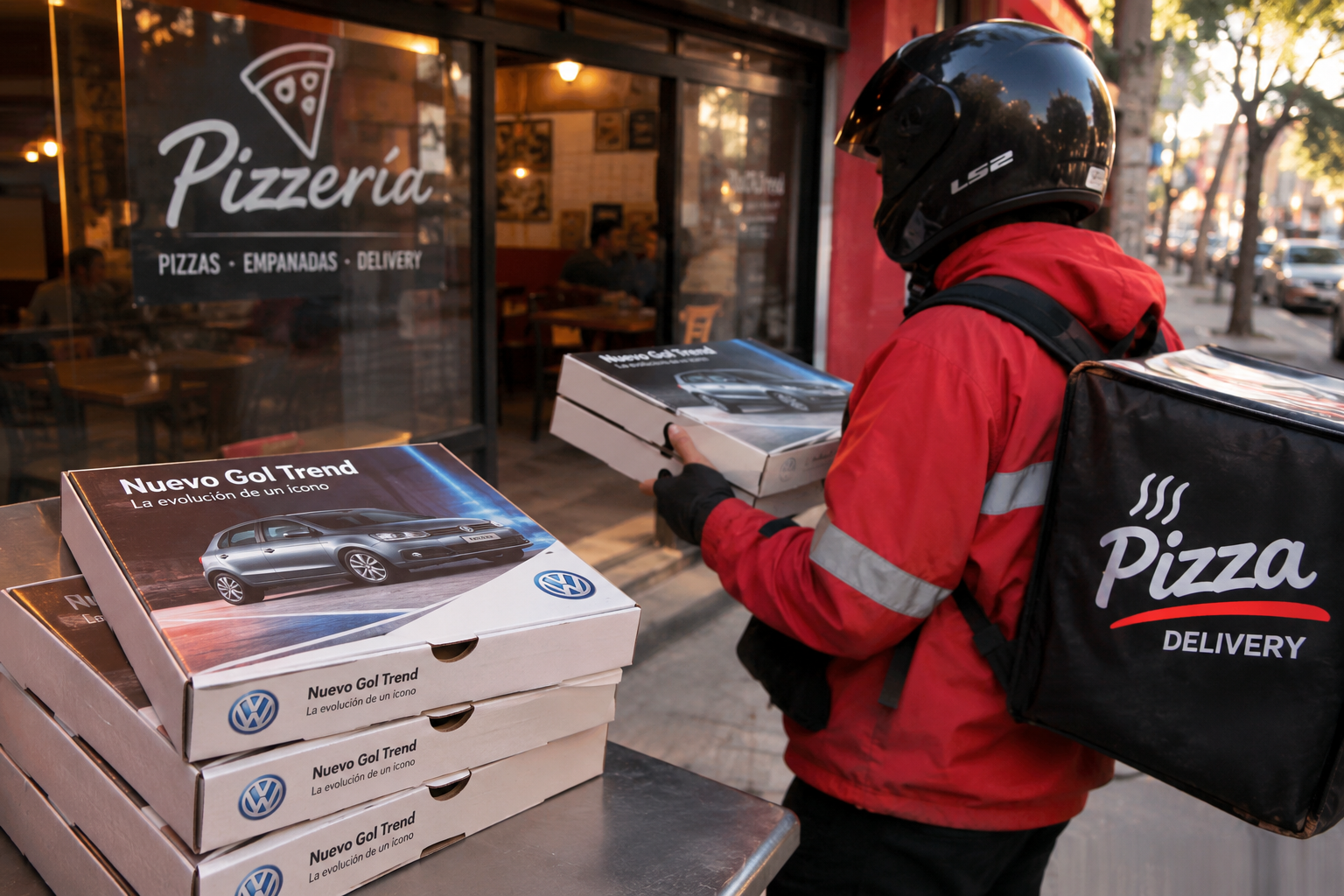
Español English DEVELOPMENT CASE STUDY · ADVERTISING PACKAGING When a pizza box becomes an advertising medium In 2011, around the Copa América, we worked on a campaign for car dealerships. We developed a pizza box advertising system as an alternative to flyers that could quickly be discarded: a medium delivered to homes, with a useful […]
Alfajor Packaging Inspired by La Plata
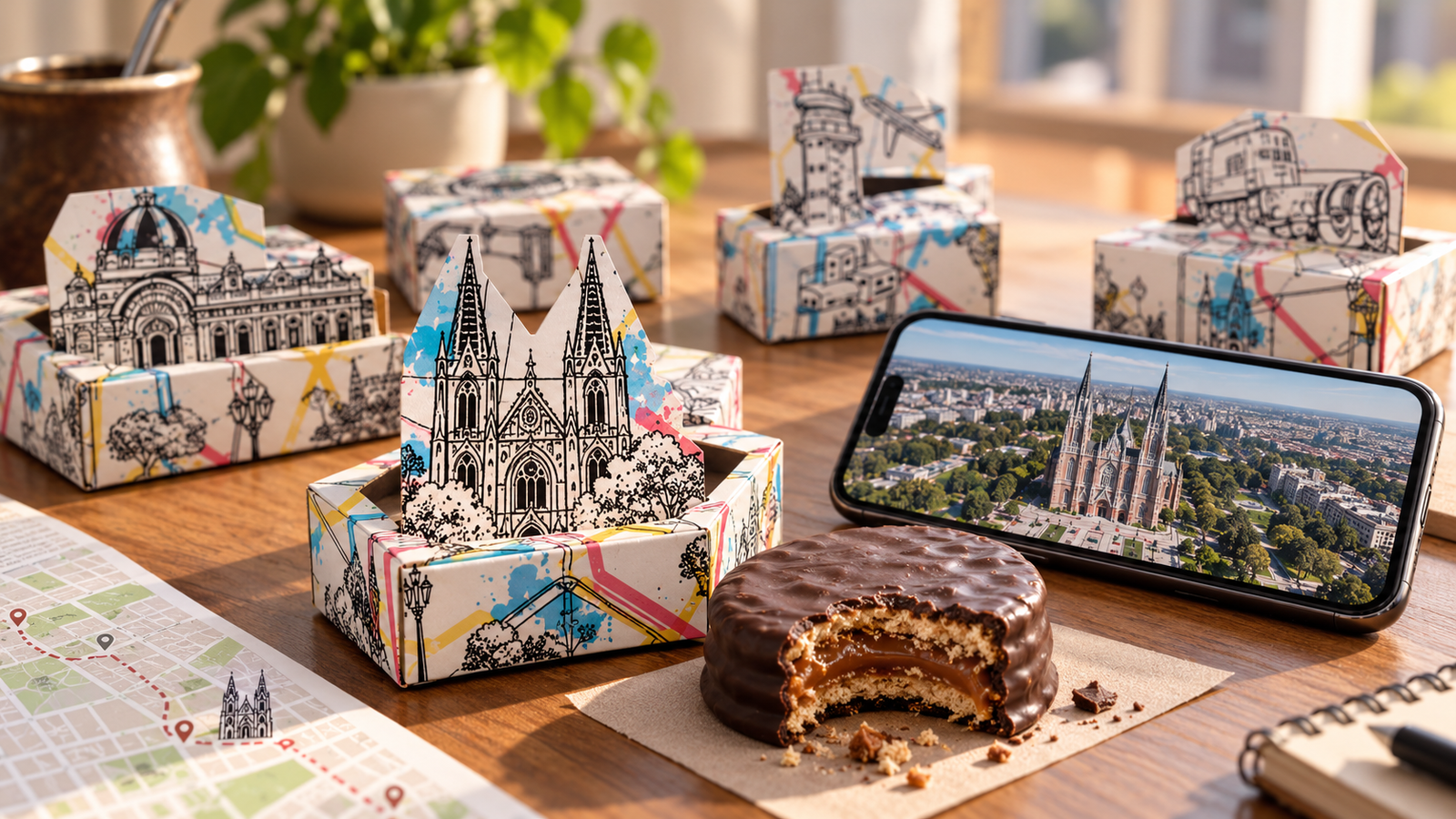
Español English DEVELOPMENT CASE STUDY · ALFAJOR PACKAGING An alfajor box that becomes a city experience The brief began with a box for giving twelve alfajores to visitors to La Plata. A1Pack proposed going beyond the container: twelve individual cartons linked to city locations, with pop-up figures created through cutting and folding, each connected by […]
Display Stands for the Fragata Libertad
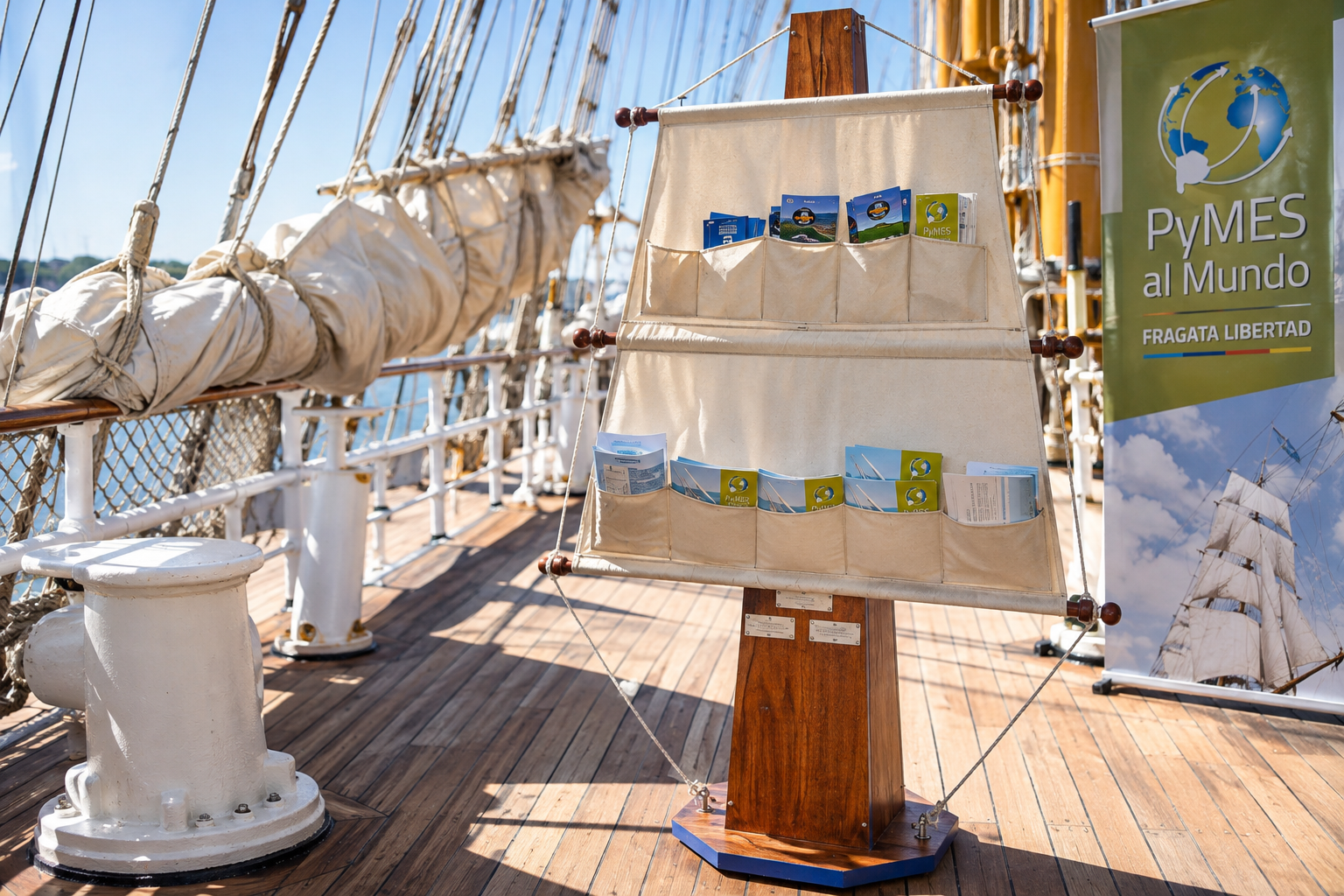
Español English DEVELOPMENT CASE STUDY · INSTITUTIONAL DISPLAY STANDS When a display stand becomes part of a ship’s identity In March 2017, A1Pack developed brochure display stands for the PyMEs al Mundo programme, presented aboard the Fragata ARA Libertad. We drew on the sail training ship’s sails, ropes and nautical tradition to create a demountable […]

Design can give physical form to what we feel.
The biodegradable pet urn combines two functions: holding ashes and providing growing medium for a plant. A1Pack developed folded geometries, interlocking connections and paperboard prototypes to make this possible. Designing special products requires understanding the people who use them, defining the role of each part and resolving how the object will be manufactured.