CASE STUDY · SPECIAL SOLUTIONS · INDUSTRIAL DESIGN
KOBU: from flat cardboard to a construction system
KOBU: cardboard toy design and product development
How can a sheet of cardboard become a construction toy? At A1Pack, we designed KOBU: a system of foldable, interlocking pieces developed from concept through manufacturing.
PRODUCT DEVELOPMENT CASE STUDY · SPECIAL SOLUTIONS
Turning an everyday material into a play system
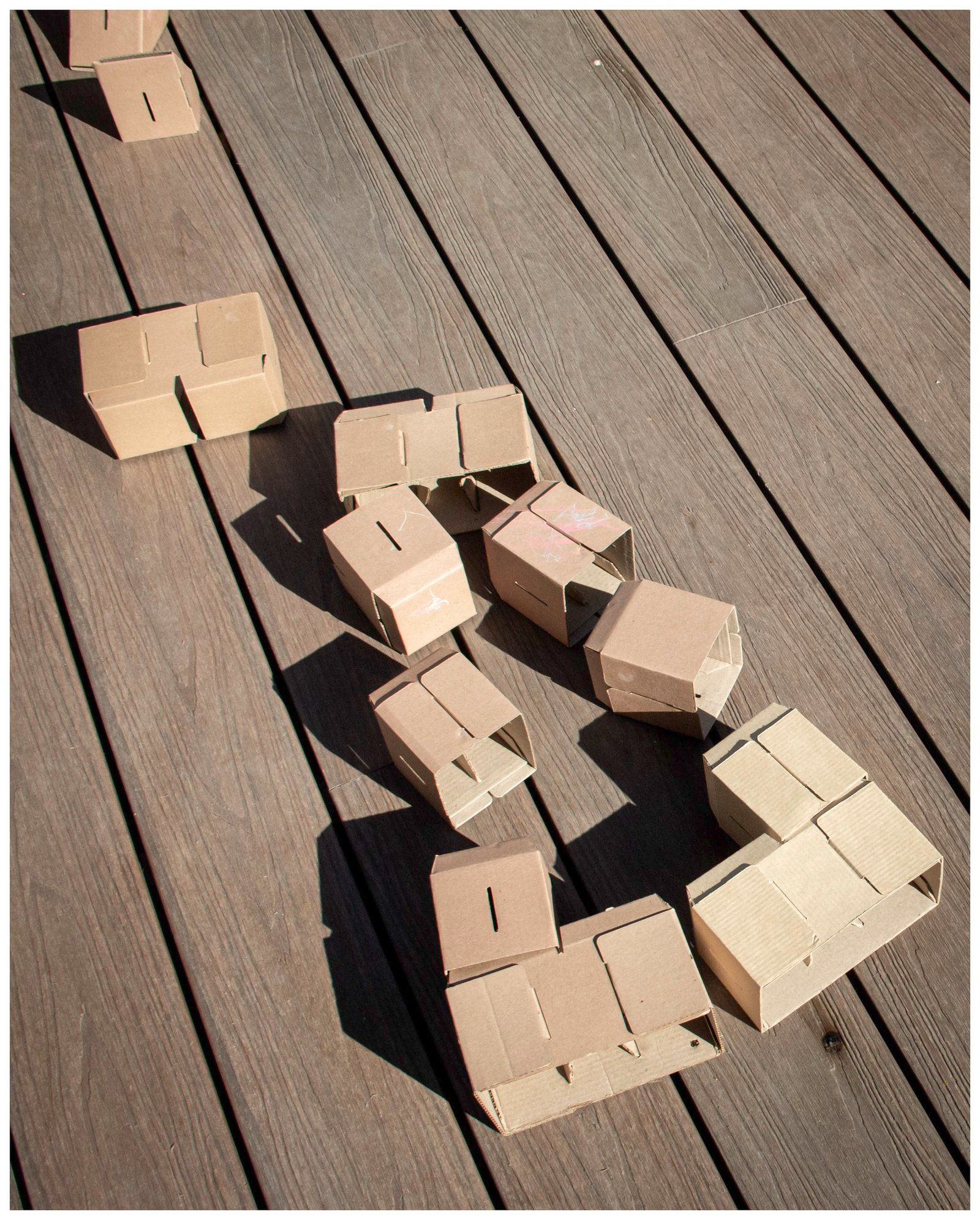
KOBU began as an A1Pack product development project. The challenge was to turn flat cardboard pieces into three-dimensional modules that could fold and connect to one another. The work combined industrial design, interlocking connections, prototyping and manufacturing. KOBU Classic brings together 100 pieces of six types in a microflute corrugated cardboard box.
01 / 04
01 · The challenge: turning cardboard into a construction toy
At A1Pack, we set out to develop a construction toy using a material we knew well from packaging: cardboard. Each piece needed to fold, take on volume, hold its shape and connect to others to create different structures. We also needed a system that could be manufactured, transported easily and understood by its users. We therefore developed the shapes, connections and production process together from the start.
- Goal: create a cardboard construction toy whose pieces could be combined in multiple configurations.
- Design requirements: flat pieces, simple folding, repeatable connections and structures that hold their shape.
- Opportunity: apply packaging design techniques to construction toys.
02 / 04
02 · The concept: foldable modules and versatile connections
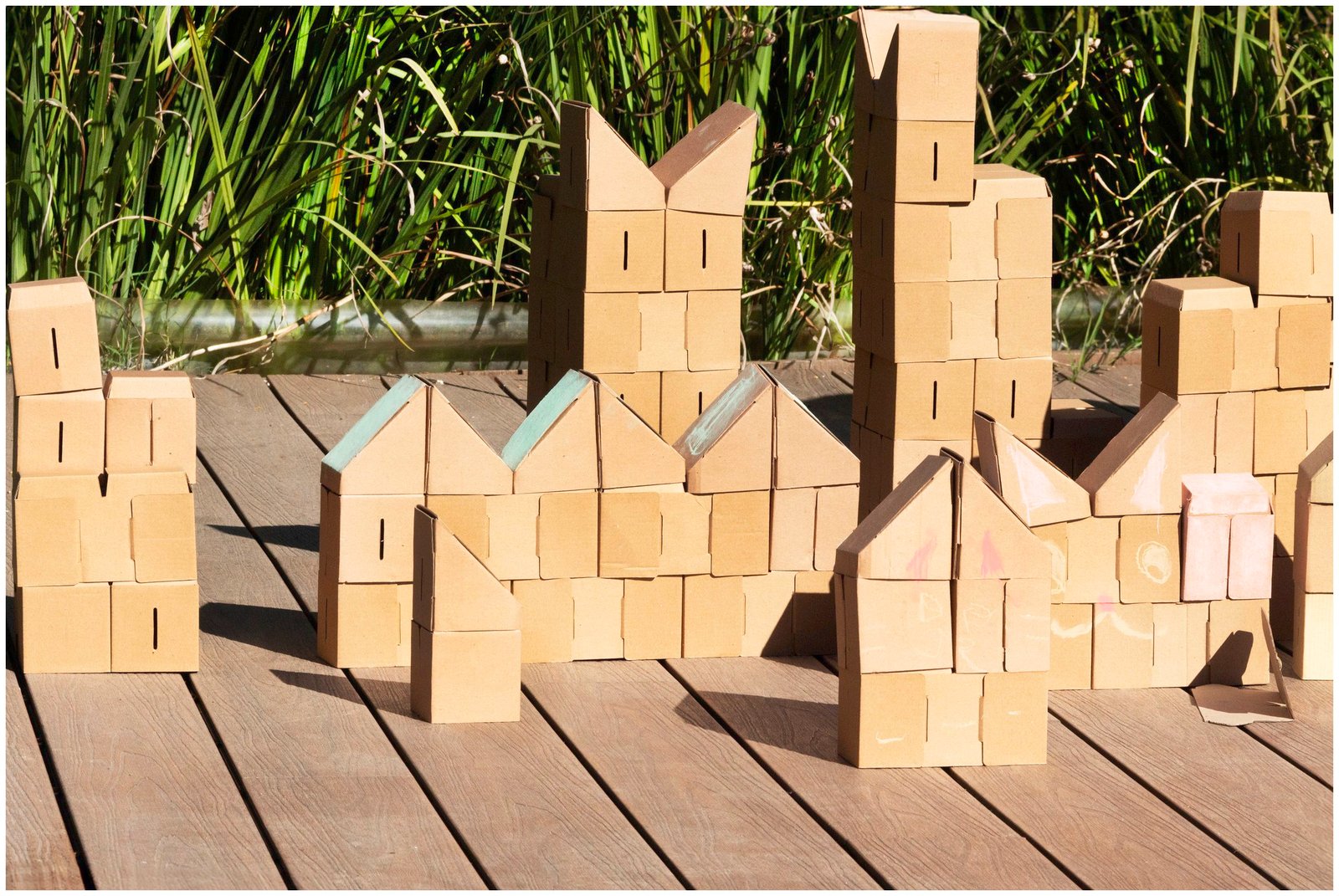
We designed KOBU as a connected system. Its cardboard components move from flat shapes to three-dimensional forms through folding, then connect without adhesives. The same piece can be used in different constructions. Six component types expand the assembly possibilities without requiring a separate fixed shape for every object. The concept also allows compact storage and distribution.
- Modular architecture: six component types with complementary roles within one system.
- Connections: folds and interlocking features that allow pieces to be assembled, joined, separated and recombined.
- Scalability: a set of 100 pieces for creating different constructions without redesigning every figure.

03 / 04
03 · Technical development: prototypes, folds and cutting dies
A cardboard construction system depends on how the material behaves. We developed the geometries, fold lines and interlocking areas, then tested them in physical prototypes. We evaluated assembly, piece stability and repeated connections. We also carried out use tests with children to understand how the system worked beyond the design table. Those observations informed preparation for cutting and die-cutting, covering both the pieces and the packaging that holds the set.
- Structural design: flat geometries that gain volume through folding and become part of the system.
- Validation: prototypes and assembly and use tests to review folds and connections.
- Production preparation: component and cutting-die definitions suited to cardboard converting processes.
04 / 04
04 · Inclusive manufacturing and the finished product
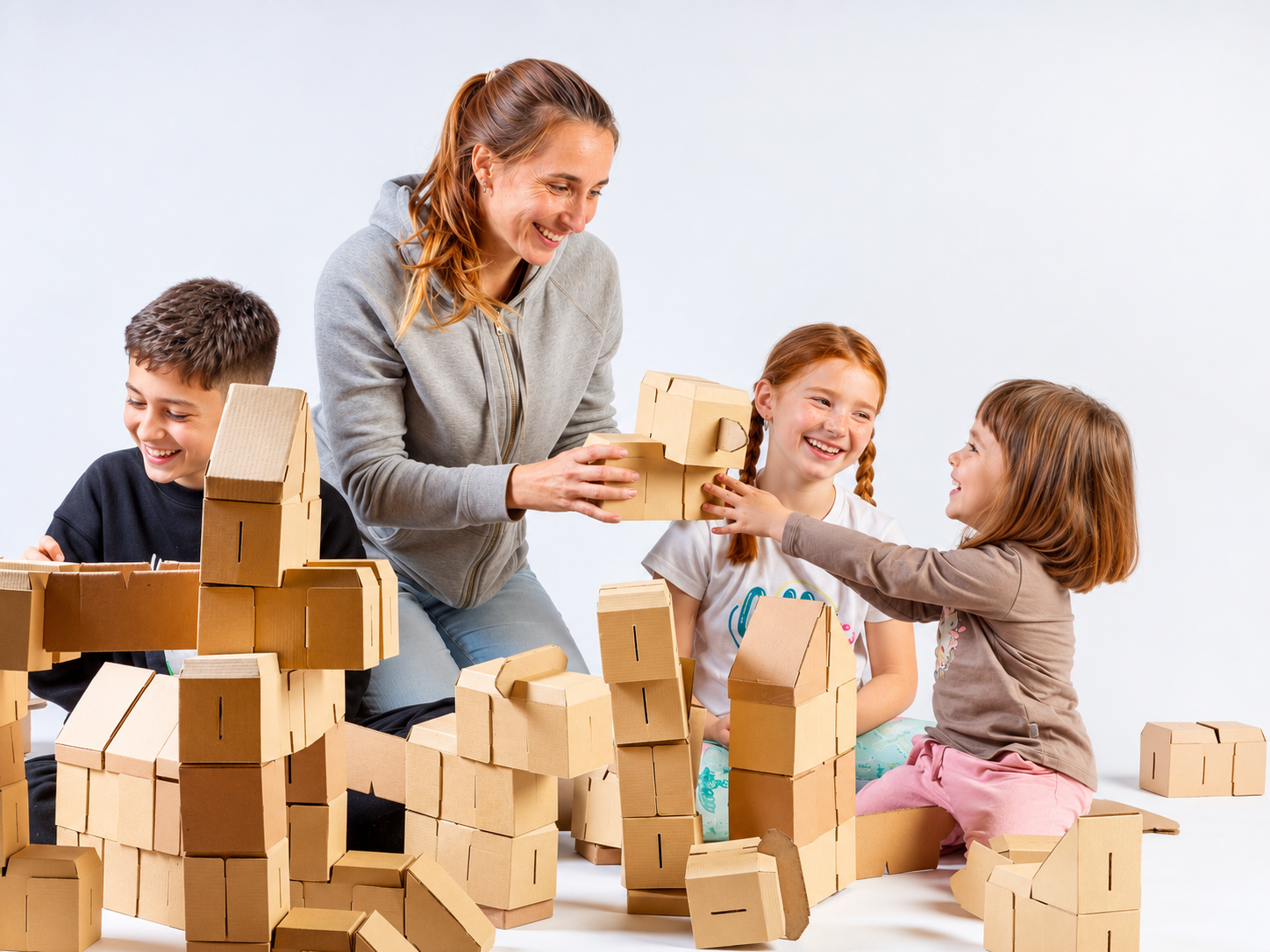
KOBU combines cardboard toy design, technical development and manufacturing with social impact. Production was coordinated with Taller Protegido Los Tilos, a sheltered workshop in La Plata, linking the interlocking system to production and assembly tasks. KOBU Classic was presented in a microflute corrugated box containing 100 pieces of six types. For A1Pack, the project shows how knowledge of a material can lead to a physical product, a production model and a defined user experience.
- Product: KOBU Classic, a construction system with 100 cardboard pieces of six types.
- Manufacturing: cardboard converting, set preparation and participation by Taller Protegido Los Tilos.
- Learning: product development requires decisions about use, structure, materials and manufacturing.
Have an idea that needs to become a physical product?
At A1Pack, we develop special solutions from concept and structure through prototyping and manufacturing. Tell us what you need to develop and your current stage.
More product development case studies
Explore more A1Pack projects that turn ideas and technical challenges into manufacturable products.
Biodegradable Pet Urn: Structural Paperboard Design
Leer en español PRODUCT DEVELOPMENT CASE STUDY · SPECIAL SOLUTIONS An object for a farewell and a new beginning through planting At A1Pack, we approached the biodegradable pet urn through a design question: how can ashes, growing medium and seeds be combined in one product ready for planting? The solution was a faceted paperboard structure […]
Colposcope Packaging and IntegraScope V2 Development
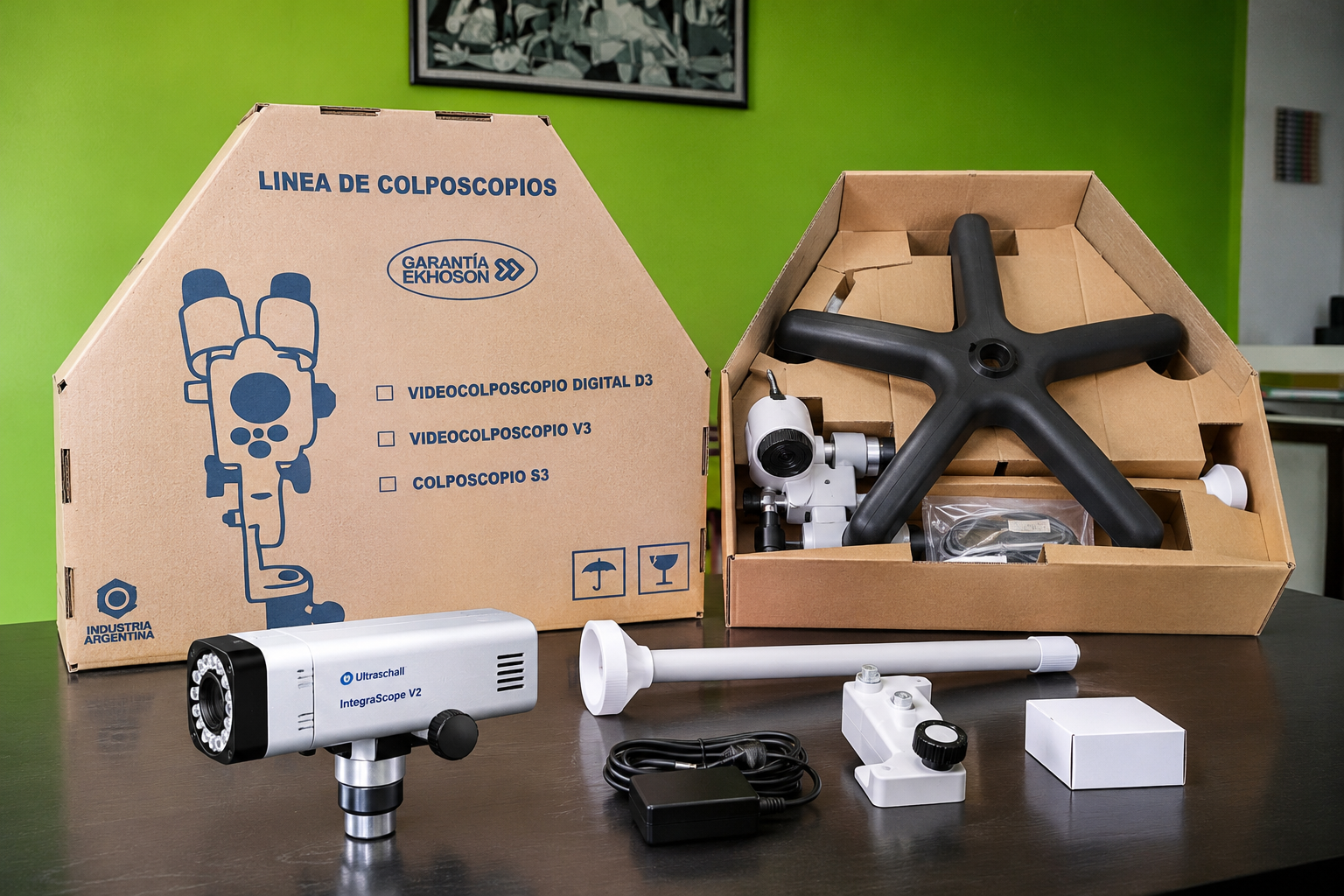
Leer en español PRODUCT DEVELOPMENT CASE STUDY · SPECIAL SOLUTIONS One technical packaging system for different medical devices A1Pack developed colposcope packaging to transport, organize and protect the complete equipment set. The design serves the Ekhoson D3 and S3 models supplied by Ultraschall and is also planned for the new IntegraScope V2. A single structural […]
Modular Baskets for Cargill
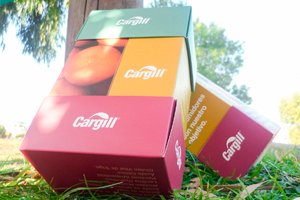
Español English DEVELOPMENT CASE STUDY A basket that became a logistics solution The requirement was to present a selection of representative products in a basket. At A1Pack, we examined what happened before delivery: transport by van, office storage, stacking and assembly by reception staff. This approach led to an interlocking modular system designed for the […]
Pizza Box Advertising Campaign
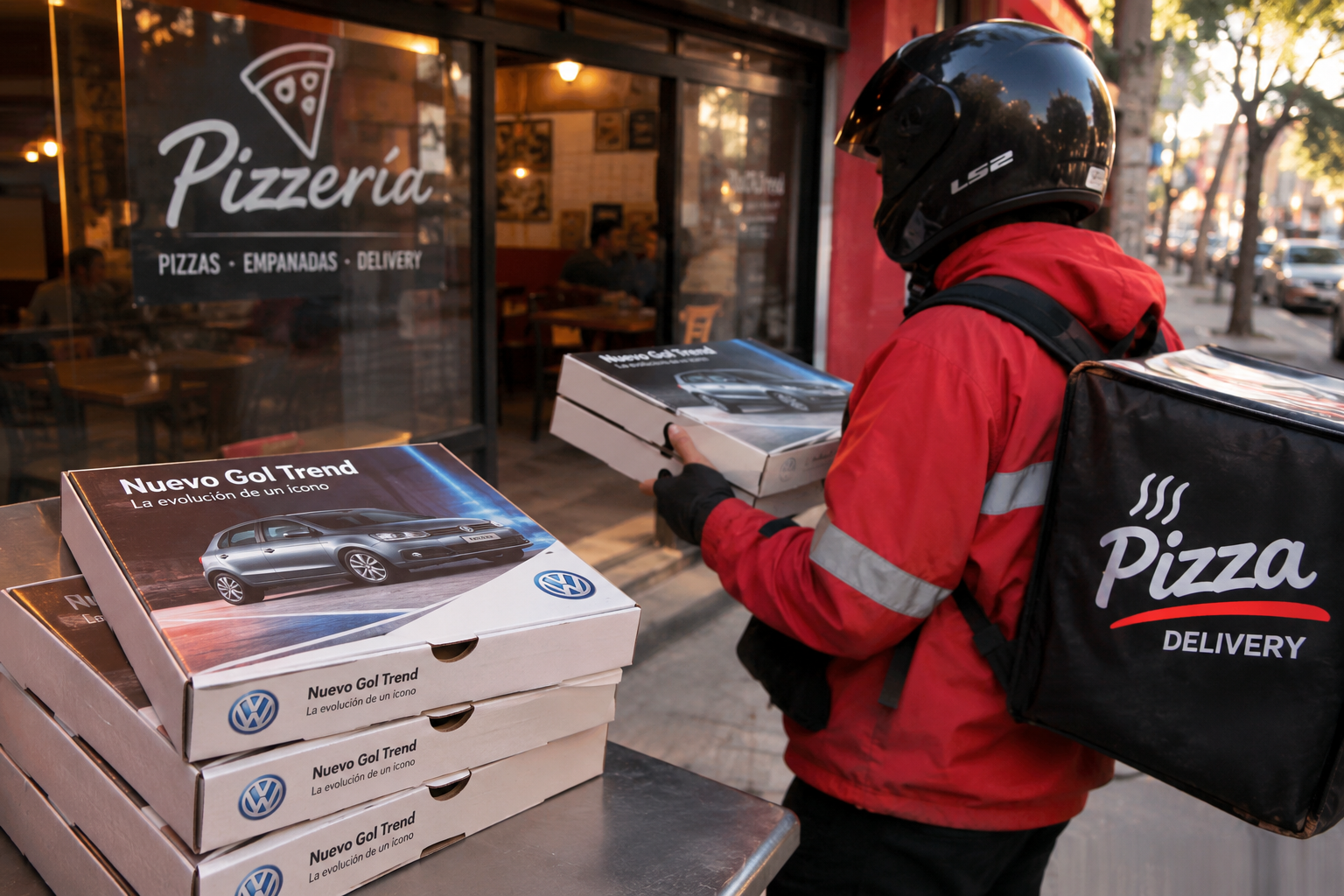
Español English DEVELOPMENT CASE STUDY · ADVERTISING PACKAGING When a pizza box becomes an advertising medium In 2011, around the Copa América, we worked on a campaign for car dealerships. We developed a pizza box advertising system as an alternative to flyers that could quickly be discarded: a medium delivered to homes, with a useful […]
Alfajor Packaging Inspired by La Plata
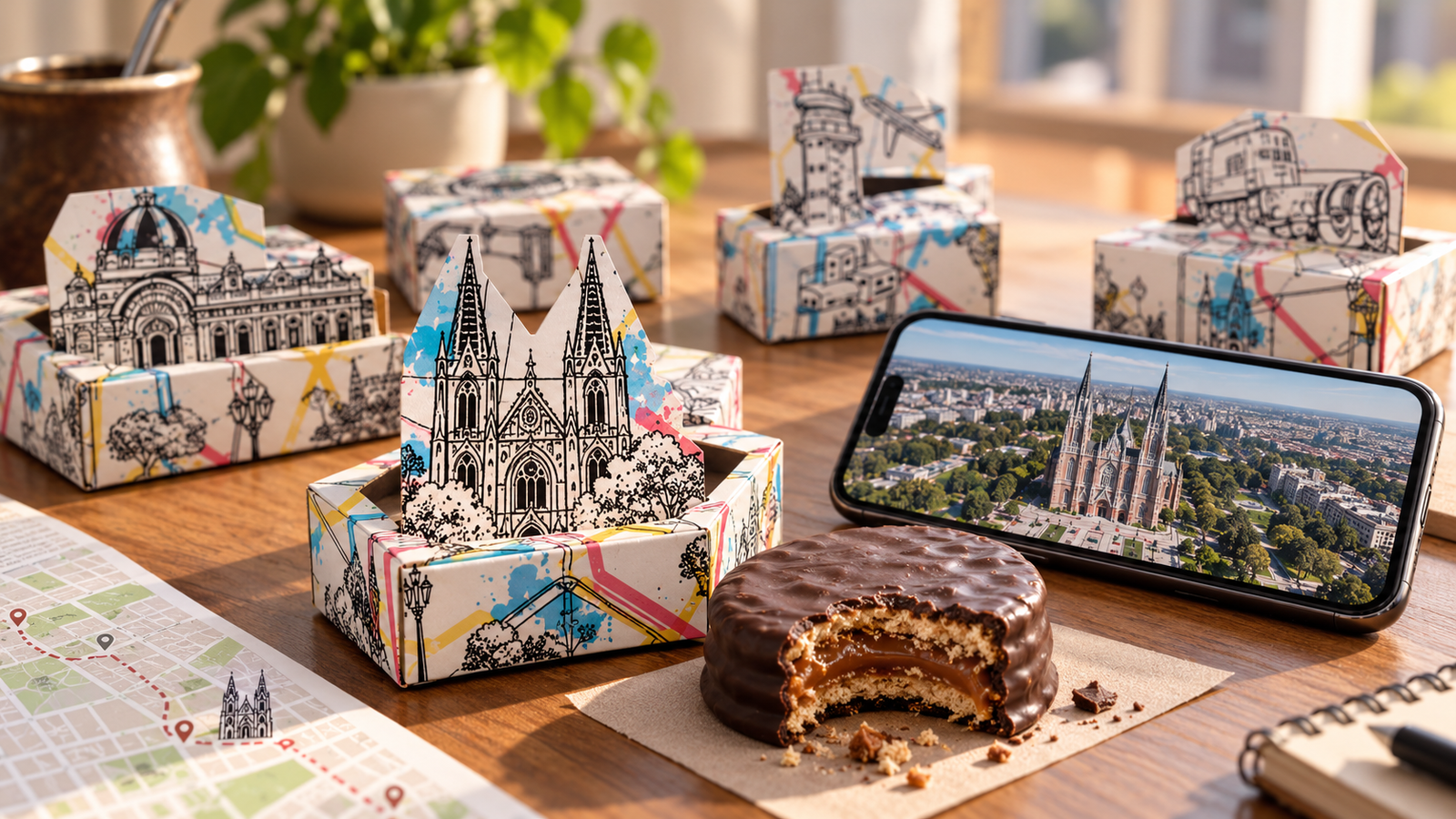
Español English DEVELOPMENT CASE STUDY · ALFAJOR PACKAGING An alfajor box that becomes a city experience The brief began with a box for giving twelve alfajores to visitors to La Plata. A1Pack proposed going beyond the container: twelve individual cartons linked to city locations, with pop-up figures created through cutting and folding, each connected by […]
Display Stands for the Fragata Libertad
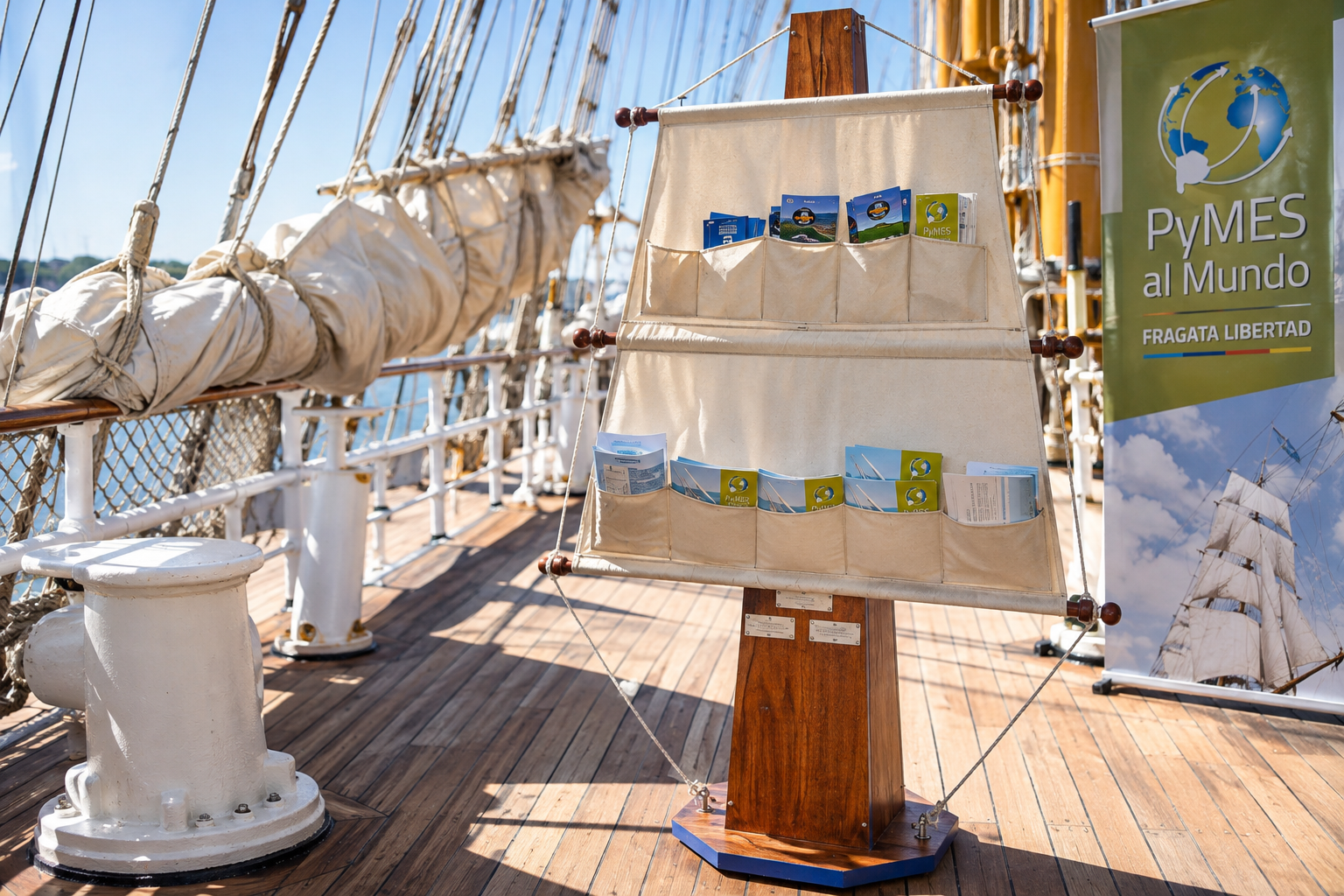
Español English DEVELOPMENT CASE STUDY · INSTITUTIONAL DISPLAY STANDS When a display stand becomes part of a ship’s identity In March 2017, A1Pack developed brochure display stands for the PyMEs al Mundo programme, presented aboard the Fragata ARA Libertad. We drew on the sail training ship’s sails, ropes and nautical tradition to create a demountable […]

Designing a product includes designing the system that makes it possible.
With KOBU, A1Pack applied structural packaging design methods to a different type of product. Folds, connections, formats, prototypes and manufacturing decisions all contributed to a coherent system. The result is a family of cardboard components that can form multiple structures. This approach starts with understanding a material, exploring its possibilities and turning them into a real product.